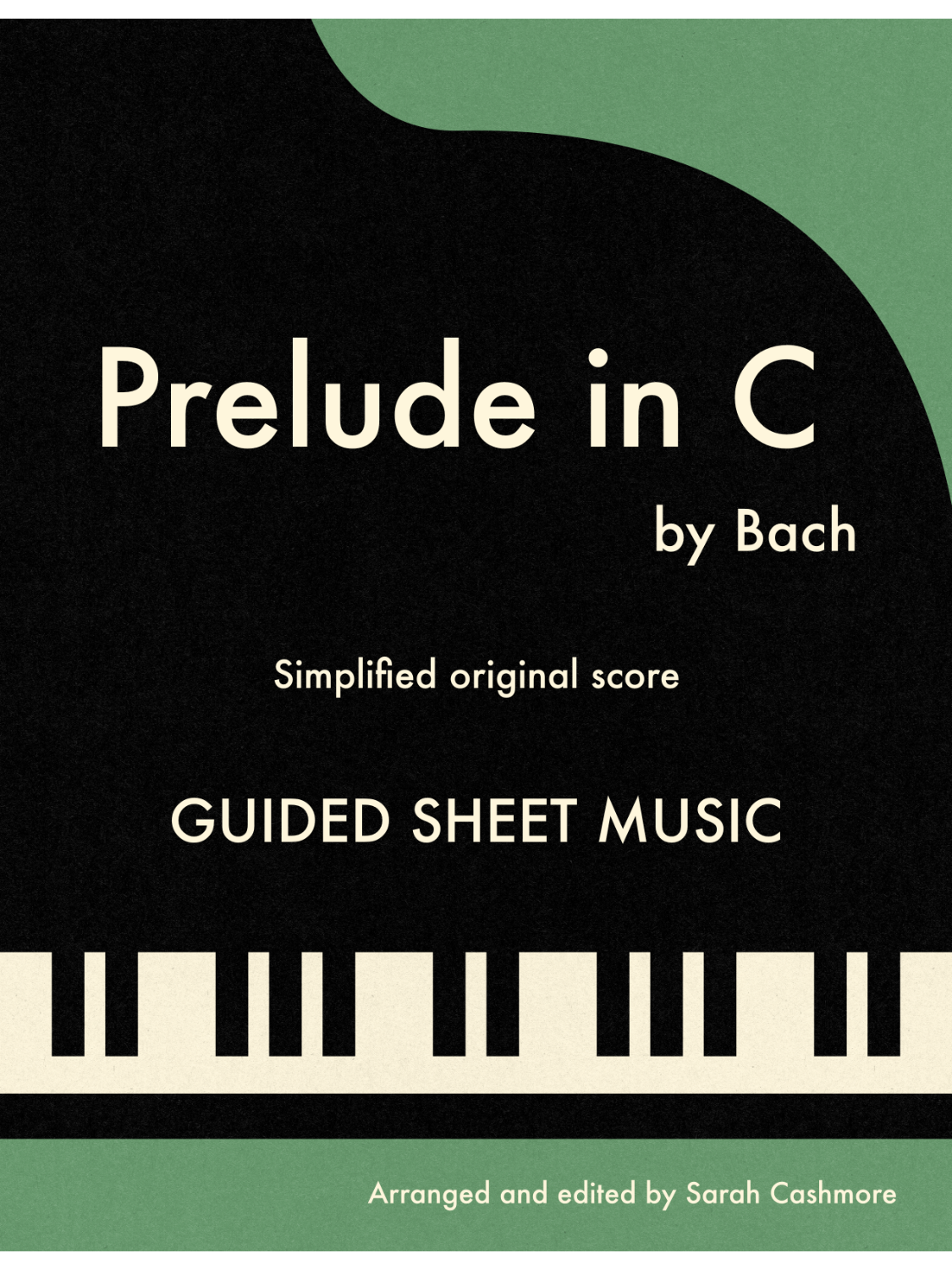
Few pieces in the classical repertoire have had as much of an impact on music as Prelude in C, and how it can be yours to play! This guided edition presents Bach’s original notes in simplified notation, making its flowing beauty genuinely accessible for piano beginners.
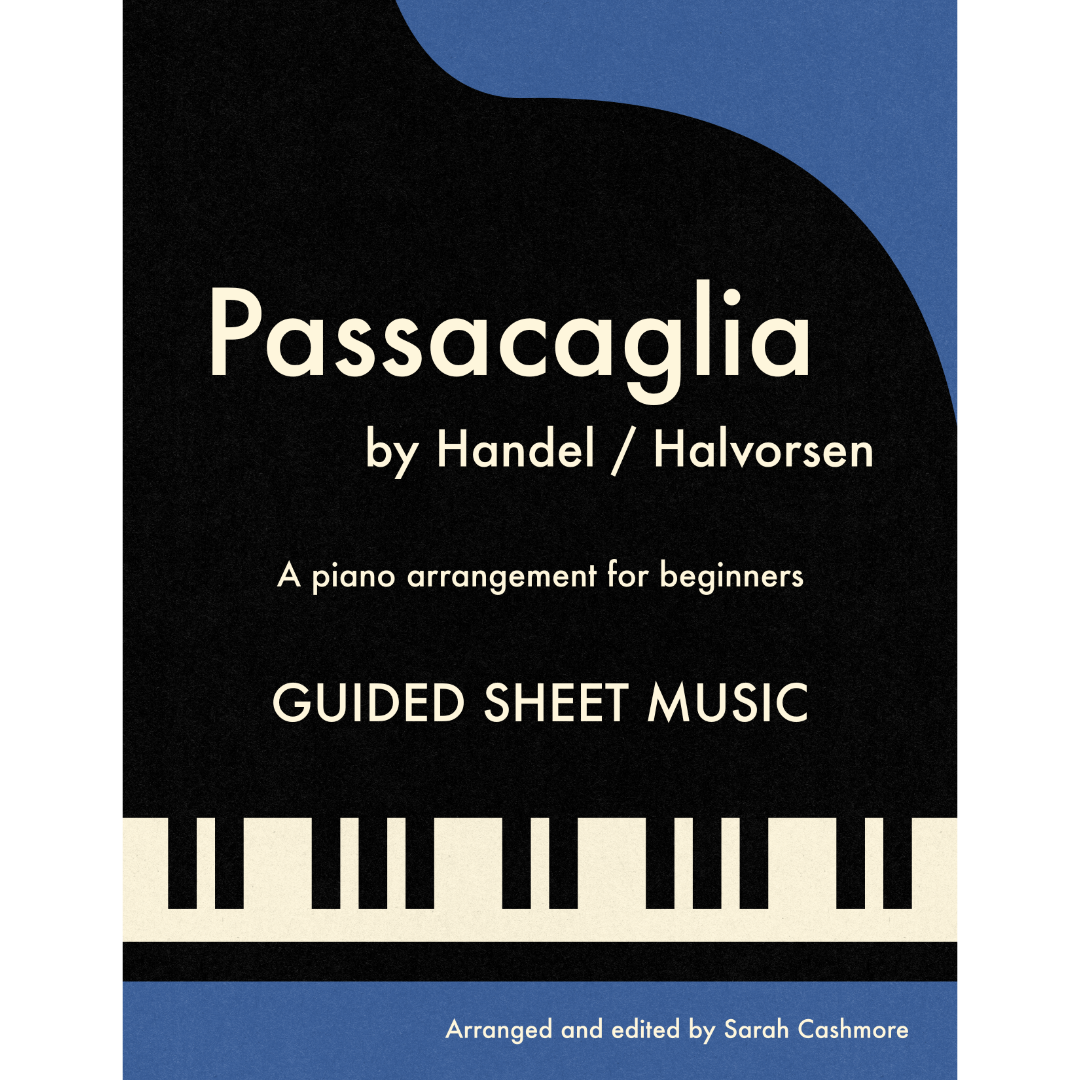
For many people, Passacaglia is the piece that first inspired them to learn piano. This arrangement was created to offer a supportive starting point for new and returning piano beginners.
I’ve created a video to support piano learners who want to learn to play Gnossienne No. 1 by Erik Satie. This demonstrates my beginner arrangement of the piece, which uses simpler notation and rhythm while preserving all the emotional complexity of the original.
I’ve created a video to support piano learners who are working through Prelude in C by Johann Sebastian Bach. This demo includes three versions of the piece to support you through every stage of learning.
I'm currently working on a new classical beginner arrangement, and I thought this could be a great opportunity to bring you behind the scenes! Rather than just showing you how I simplify classical music for beginners, in this video I invite you to actually go through the development process with me.
Let's kick off our holiday season with a Christmas piano tutorial designed for beginners!
In today's video, I'll show you how to play the melody in your right hand, a simple but beautiful accompaniment in your left hand, and how to bring both hands together.
Lately we've been exploring how learning piano gets easier when you see groups of notes as little neighbourhoods around your piano. Today, let's talk about ways you can learn your Note Neighbourhoods gently, in a way that honours your natural energy, attention, and emotions, so that every part of you feels welcome in the learning process.
In my previous post, I introduced you to a concept I use in all my beginner lessons: note neighbours!
In today's video, I'll explain the three note neighbourhoods I usually start with when teaching beginner piano students, and why they work so well!

Gnossienne No. 1 is a piece that is slow, dreamy, and unlike anything else in the classical repertoire. This arrangement was created for piano beginners who are ready to try something completely different.